
 Facebook
 X
X LinkedIn
 Forward
Community Assessment for School Health (CSHS Session 3)
A message from Karen Robitaille and SHS: Due to the storm, live attendance is not required for this session. Watching the recording is an acceptable alternative. |
|---|
| How might data, when transformed into a compelling story, help us advocate for better health outcomes in our communities? |
|---|
This course is one of four sessions designed to guide school nurses in effectively conducting a school health needs assessment and using the data to identify and address gaps and barriers affecting the health of school-aged children. It covers the purpose of a needs assessment, data sources, survey development, data compilation, analysis, and presentation. Additionally, the course explores how to use storytelling with data to effectively advocate for support from various stakeholders.
Presentations, case examples, and small and large group discussions will be used to identify and share promising approaches. Communication tools will include Padlet to post quality improvement project strategies and experiences. This course aligns directly with CSHS grant scope of services for funded school districts. Learners will apply training and tools to meet CSHS grant requirements to “conduct a community health needs assessment … that addresses health inequities and the impact of institutional racism and socioeconomic disparities on students and their academic achievement.”
At the end of the four training sessions, the learner will be able to:
- Conduct a needs assessment that meets their CSHS scope of services requirements
- Collect and organize needs assessment data into a concise report
- Develop action priorities based on needs assessment findings
- Present a compelling story using data collected to justify the program and funding needs to relevant stakeholders.
Target Audience
CSHS grantees, and school health professionals interested in this topic.
Note: While programming for CSHS meetings is developed with the grantee scope of service and performance measures in mind, any school health professional may benefit from topics covered, and guiding principles for continuous quality improvement (CQI) projects described within the grant framework are applicable to any district or school.
Learning Objectives
After completing the training, learners will be able to:
- Translate analyzed data into specific action steps
- Describe how to engage the community in the interpretation and use of needs assessment findings
- Develop a storyline for how to effectively share needs assessment information for impact
Course summary
- 2.75 ANCC
- 2.75 Participation
Please note that this program agenda is subject to change.
Topic | Time (Estimate) |
|---|---|
| Opening Remarks and Overview of Today’s Session | 12:30 - 12:45 PM |
| From Data to Presentation | 12:45 - 1:35 PM |
| Break | 1:35 - 1:40 PM |
| Data Tells the Story: Using Evidence to Improve School Nursing Practice | 1:40 - 2:10 PM |
| Breakout Room Activity | 2:10 - 2:30 PM |
| Guest Speakers Q&A | 2:30 - 2:50 PM |
| Next Steps and Wrap-up | 2:50 - 3:00 PM |

Harold Cox, MSSW
Professor of the Practice, Community Health Sciences
Boston University School of Public Health
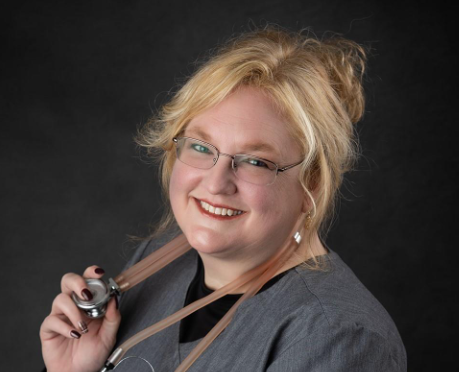
Rebecca Boutwell, MSN, RN, NCSN
District Resource Nurse
North Middlesex Regional School District

Trish Akins Elliott, DrPH
Clinical Associate Professor, Community Health Sciences
Boston University School of Public Health
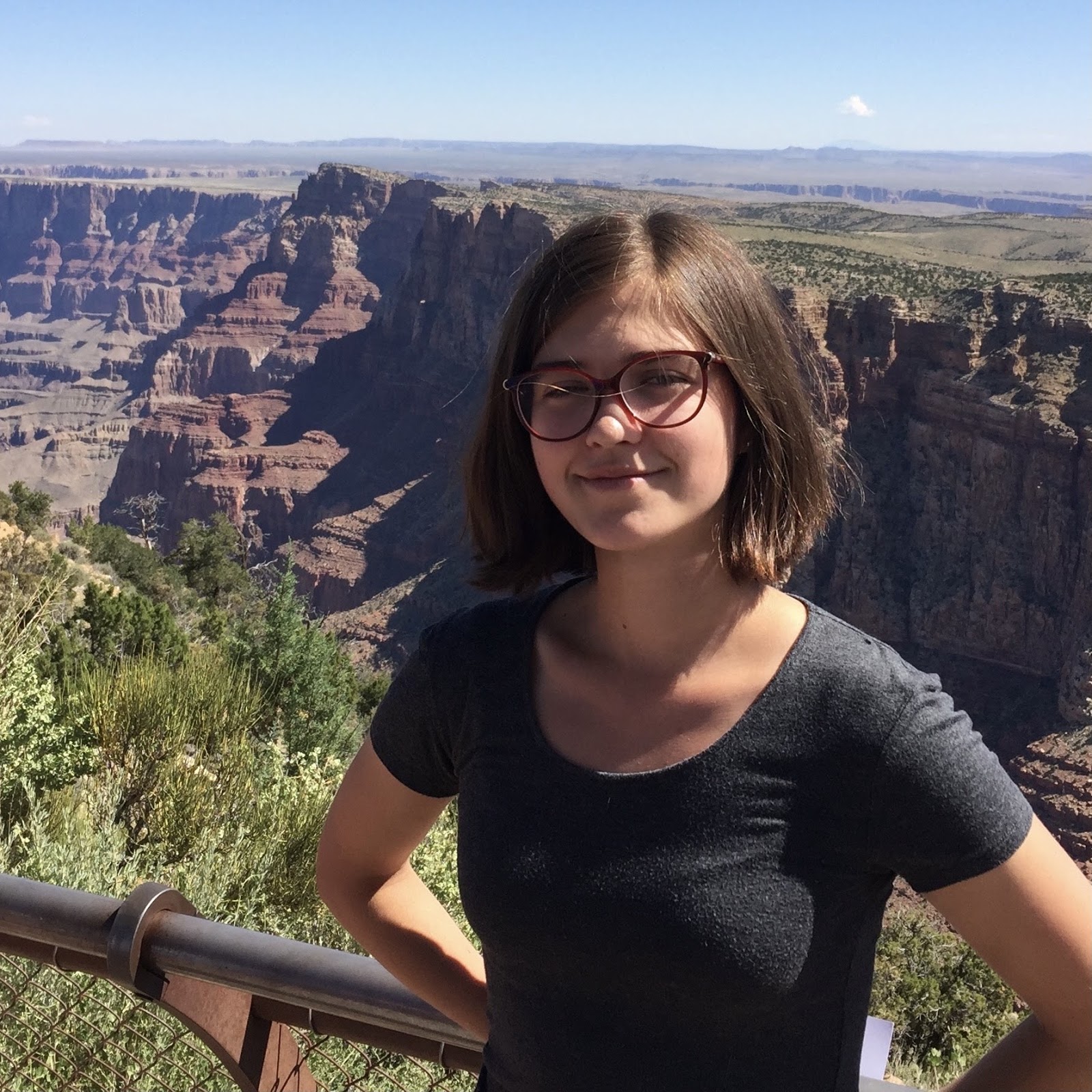
Katherine Davis, MPH
SHIELD Education Program Manager
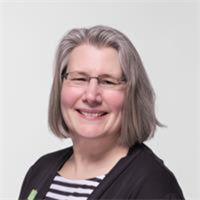
Amy Dark, DNP, MSN-PH, BA, RN
Director, SHIELD, Community Health Sciences
Boston University School of Public Health

Karen Robitaille, MBA, MSN, RN, NCSN
Director, School Health Services
Massachusetts Department of Public Health
 In support of improving patient care, Boston University Chobanian & Avedisian School of Medicine is jointly accredited by the Accreditation Council for Continuing Medical Education (ACCME), the Accreditation Council for Pharmacy Education (ACPE), and the American Nurses Credentialing Center (ANCC), to provide continuing education for the healthcare team.
Nursing Contact Hours: 2.75 contact hours
SHIELD is a DESE-approved provider for PDPs. PDP certificates are issued for programs/series lasting 10 or more hours on a topic. CNE certificates are also issued for eligible courses. Learners may use CNE certificates toward PDPs.
*After completing all four sessions, Learners will be eligible for PDPs.
Available Credit
- 2.75 ANCC
- 2.75 Participation